


Multimodal transport
Complex routes with transshipment: sea plus rail plus road.
Multimodal means the mode changes along the way: a container travels by sea to a port, then onward by rail or truck. Uzbekistan has no coast, and neither do its neighbours, so almost any sea shipment here is multimodal by definition. The only question is who owns the interchanges — each contractor for their own leg, or one company for the whole journey.
What it covers
- We build the whole route and answer for it under one contract, not for a single leg.
- We price different combinations of modes and show what each costs in money and days.
- We arrange transhipment at the port and at the change of rail gauge — the places where time is lost.
- We keep the status across every leg, including the ones where the cargo passes to another carrier.
- We run customs on arrival through our own licensed broker — the route and the paperwork stay in one pair of hands.
What we need from you
- Points of origin and destination
- Weight, volume and nature of the cargo
- The date you need and the budget you can work with
- Temperature or securing requirements, if any
Transit times
| Mode | Transit | When it fits |
|---|---|---|
| Road freight | 7–20 days | When door-to-door timing and control along the route matter most |
| Rail freight | 18–35 days | When volumes are large and cost outweighs speed |
| Air freight | 3–7 days | When the cargo is urgent and freight cost is secondary |
| Sea and container freight | 30–50 days | When the shipment is large and the route allows a long leg |
Average transit from the departure border to a warehouse in Uzbekistan. The exact time depends on the origin city and is fixed in the contract.
Why clients choose us
Customs handled
We select HS codes, calculate duties up front and run release through a licensed customs broker — you need not find one yourself.
One contract
We are accountable for the whole route, not just one leg of it.
Cargo insurance
Full loads and groupage insured at the client’s request.
Groupage cargo
We accept from a single pallet — no waiting for a full truck.
Status without chasing
We tell you where the cargo is before you have to ask.
How we work
-
1
Request
You send the cargo, route, weight and volume — by form, Telegram or phone.
-
2
Quote
We price the options by mode and send you a rate with transit times.
-
3
Contract
Times and cost are fixed in writing, paperwork is prepared.
-
4
Transport
We collect the cargo, run the route and keep you posted on status.
-
5
Customs and delivery
We take the cargo through customs with the broker and deliver it to your warehouse.
Frequently asked questions
How is this different from an ordinary shipment?
By the number of interchanges. We take them on: from your side the route looks like one shipment with one contract and one party answering for it.
Where is time usually lost?
At ports and at the change of rail gauge. Leave slack at those points: the transhipment queue does not depend on the carrier.
Is it cheaper than direct delivery?
Often yes, if the schedule allows. Sea followed by a road leg costs a fraction of through air freight, but it also takes markedly longer.
Who answers if the cargo is damaged at an interchange?
We do. There is one contract for the whole route, and settling with the leg contractor is our problem, not yours.
Recent shipments
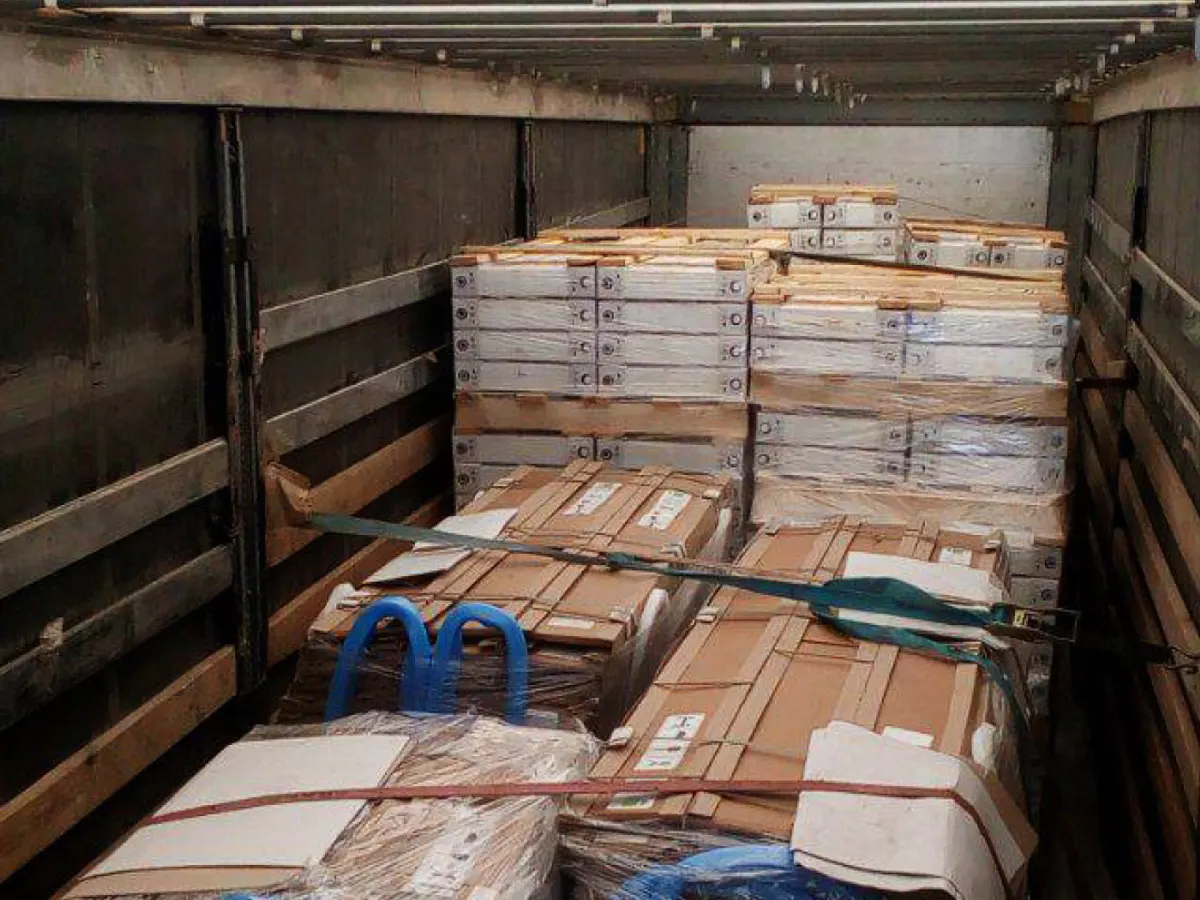
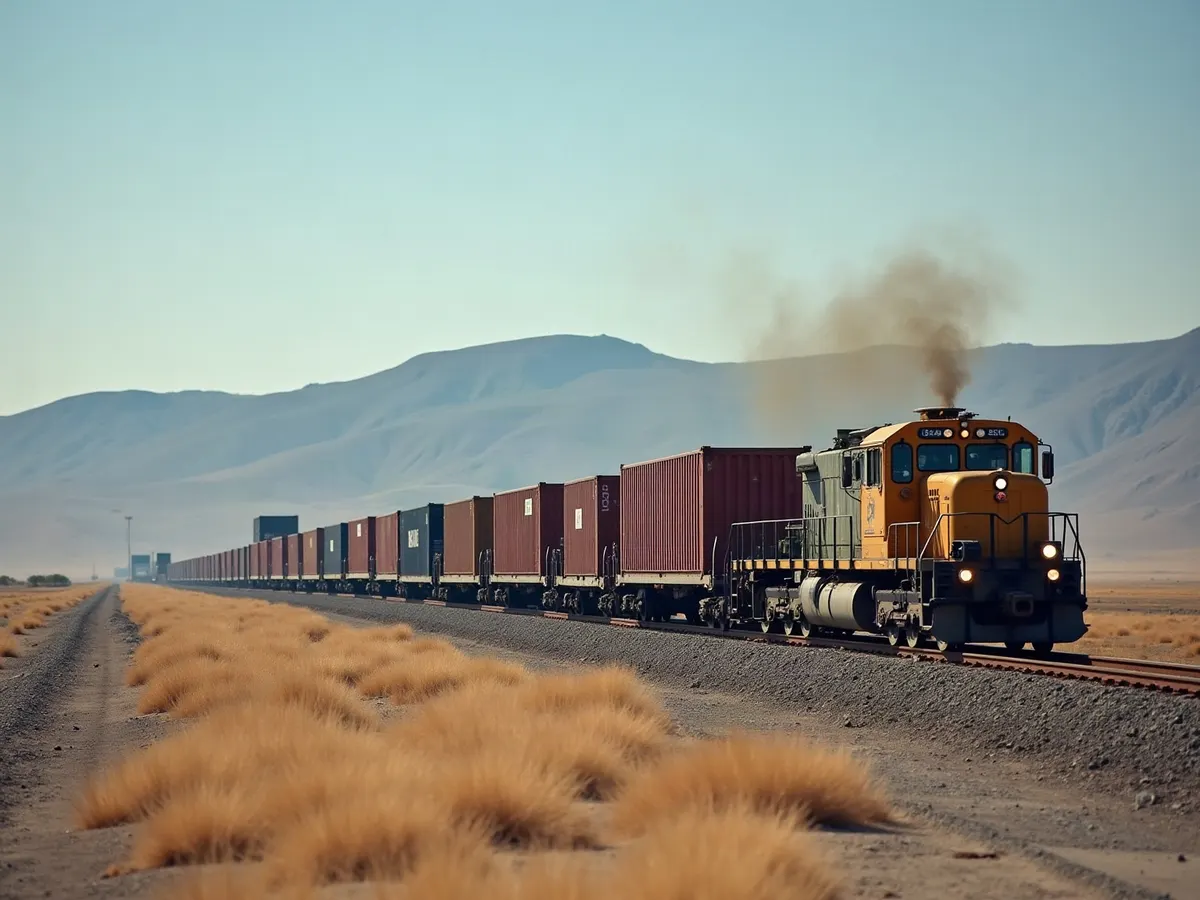
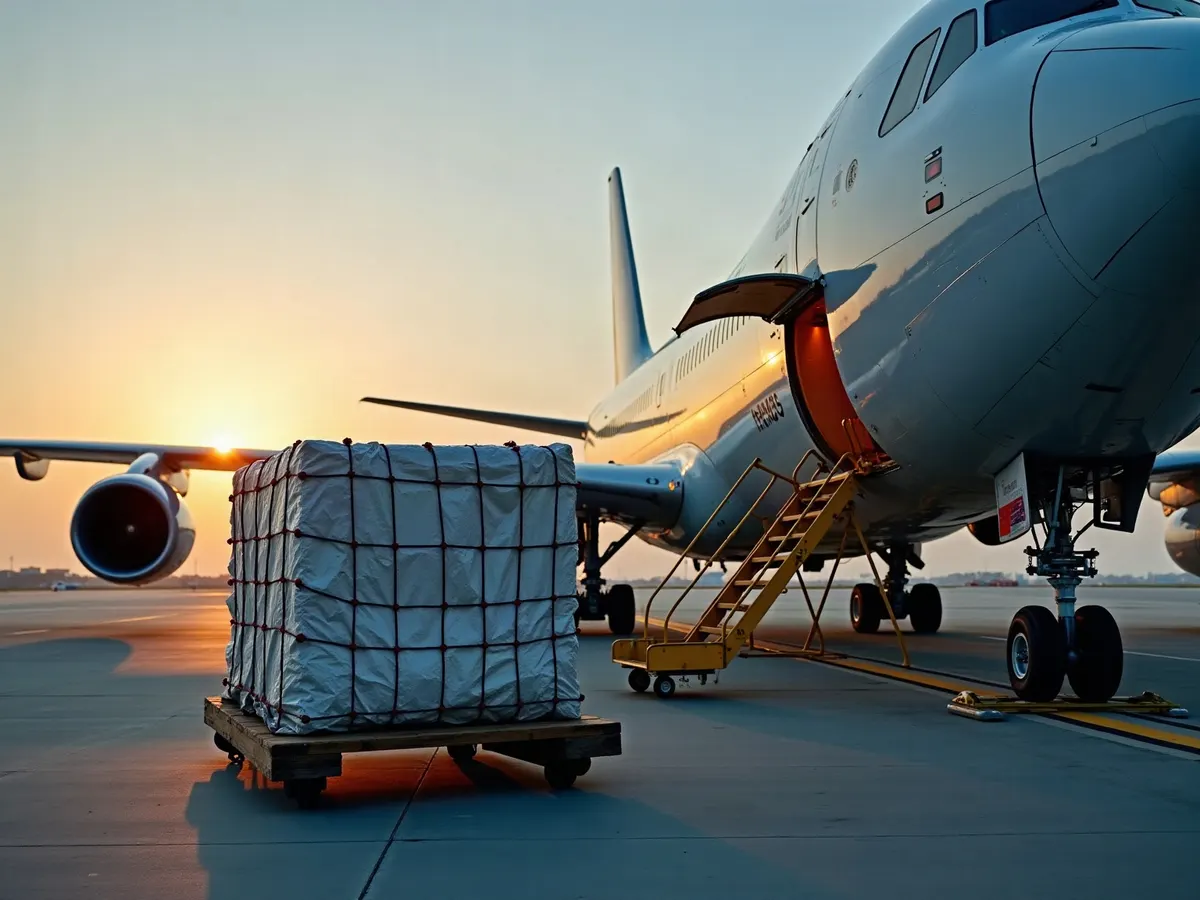
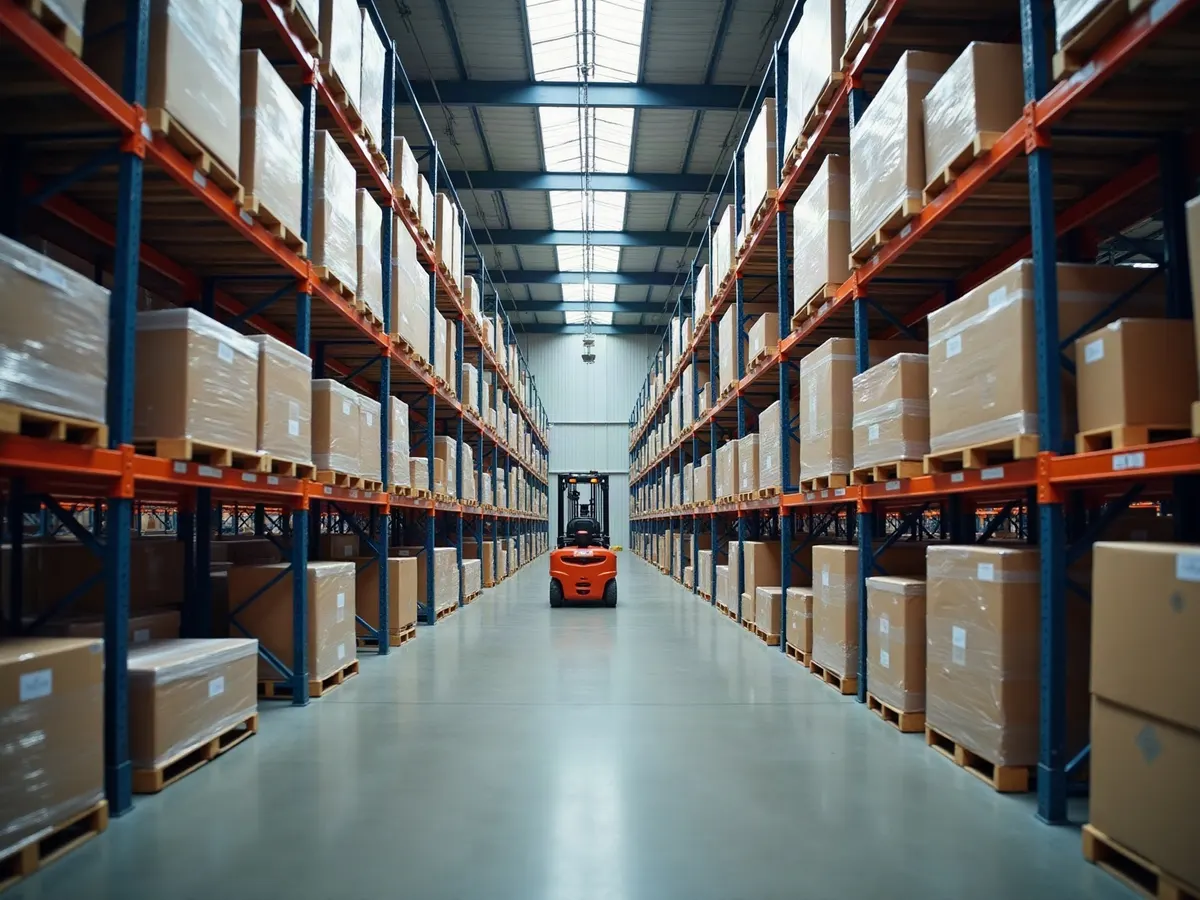
Real photos from our runs: how cargo travels and how it is secured.
Request a freight quote
Describe the cargo and the route — we come back with a rate and transit time.