


Refrigerated transport
Food, drink and other temperature-controlled cargo: reefer truck or reefer container with the temperature logged en route.
In refrigerated transport the cost of a mistake is higher: a broken temperature regime means spoiled cargo, not a delay. So the regime is set before loading rather than en route, and confirmed by a temperature log for the whole journey — the same record is needed at delivery and in any insurance dispute.
How we move it
- The regime is set before loading — to the product’s requirement, not to an average for the vehicle.
- The temperature is logged for the whole journey: both the consignee and the insurer need that record.
- We check the cargo at loading: a reefer holds temperature, it does not bring down cargo that is already warm.
- We allow for veterinary and phytosanitary control — for food it runs on top of customs and takes its own time.
- We plan the route around shelf life, not only mileage.
What we need from you
- The required temperature and the permitted tolerance
- Veterinary or phytosanitary certificate from the country of export, by product type
- Temperature log for the trip (data logger or probe)
- Documents on the origin and quality of the produce
What the price depends on
- Dimensions and weight
- The route and the restrictions on it
- Mode of transport
- Permits and approvals
- Urgency
- Insured value of the cargo
Modes of transport
We match the mode to your cargo, deadline and budget — not the other way round.
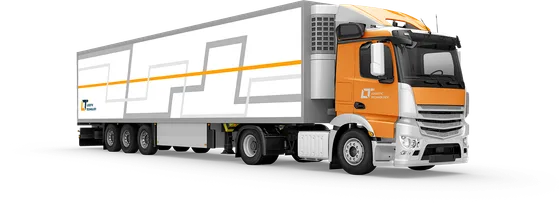
Road freight
When door-to-door timing and control along the route matter most
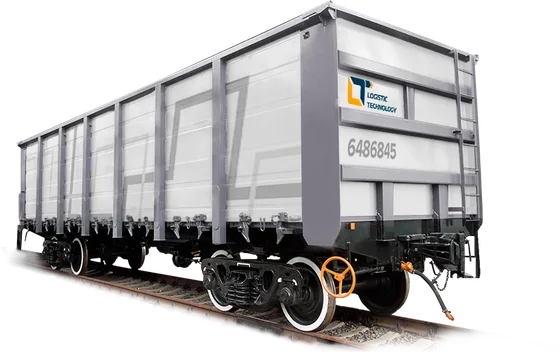
Rail freight
When volumes are large and cost outweighs speed

Air freight
When the cargo is urgent and freight cost is secondary
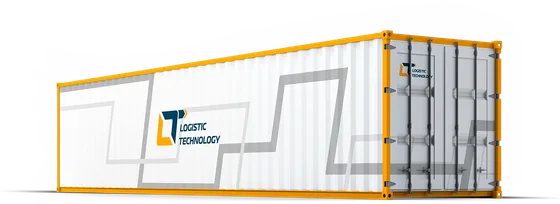
Sea and container freight
When the shipment is large and the route allows a long leg
- Air freight 3–7
- Road freight 7–20
- Rail freight 18–35
- Sea and container freight 30–50
This is an ordering, not a price list: the rate depends on volume, weight, route and season. We quote on your actual cargo.
Frequently asked questions
Which temperature should I state?
The one the manufacturer requires. If the documents give a range, quote it in full — the unit is set to the middle, and the tolerance matters at delivery.
Can reefer cargo travel as groupage?
Yes, if the neighbouring cargo needs a compatible regime. Strong-smelling produce and odour-absorbing goods are not loaded together.
What if the cargo spoils on the way?
That is what the temperature log is for: it shows exactly where the regime broke. Without one an insurer will almost always decline.
Do food shipments need extra documents?
Yes. On top of the usual set you need a veterinary or phytosanitary certificate from the country of export, and control by the relevant authority on arrival.
Request a freight quote
Describe the cargo and the route — we come back with a rate and transit time.