


Customs clearance in Uzbekistan: calculator and documents
Estimate your customs payments in a minute and find out which documents you need. No sign-up, no phone calls. We carry the cargo and arrange its clearance through a licensed broker — the calculator is open to anyone who just wants a figure.
Customs payment calculator by HS code
Find your goods by code or name — the rate is filled in from the tariff in force and the payments are computed by the Customs Code formula.
Indicative calculation
| 20Customs dutyDecree PP-3818, annex 1 | |
| Additional dutyart. 300¹ of the Customs Code of Uzbekistan | |
| 27Excise taxarts. 289¹–289³ of the Tax Code of Uzbekistan | |
| 29VAT 12%art. 258 of the Tax Code of Uzbekistan | |
| 10Clearance feeCabinet Resolution 55 of 31.01.2025 | |
| Total payments | |
| Shipment cost including payments |
How this was worked out
This is an estimate: it does not account for sector exemptions or the specifics of your shipment. The final amount is set by customs at clearance.
Calculated using the base accounting value of 440 000 UZS. Data current as of 2026-08-11. Duty rates — Decree PP-3818 (as amended 16.02.2026), annex 1.
The customs value is the goods plus delivery to the border. The estimate above has no delivery in it, so the payments came out lower than the real ones. Tell us what you ship and from where — we will quote the rate and give you the full amount.
What this product will require
The control types are derived from the product group. The exact list depends on the specific code and composition — send us the invoice and we will check it for your shipment.
Export payments calculator
Work out what it costs to ship a consignment out of Uzbekistan: duty by HS code, the clearance fee and VAT. Under the decree in force, with the scheduled steps applied.
- Export duty
- Clearance fee
- VAT on export
- Total payable
This is an estimate. The final amount is set by customs from the code, value and weight of the actual consignment. The zero rate applies when the export is confirmed by documents.
Duty rates: Decree UP-47 of 14.03.2025, annex 1. Fee: Cabinet Resolution 55 of 31.01.2025.
Your HS code may have changed
An updated edition of the goods nomenclature has applied since 1 June 2025. It changed 1,488 codes and split a further 949 headings into more detail. If you are working from last year’s contract or an old price list, the code in it may no longer exist — a declaration carrying it will not be accepted. Type the code into the calculator above: if it changed, we will show the current one and the legal basis.
Other customs fees
The clearance fee is worked out by the calculator above. These are the other fees an importer runs into. All are set in BRV and move with it.
| Amending a declaration at the declarant’s request — per declaration | 0.25 BRV 110 000 UZS |
| Clearance outside working hours, at weekends and on holidays — per declaration | 0.25 BRV 110 000 UZS |
| Customs examination during working hours — per officer-hour, part hours count as full | 0.25 BRV 110 000 UZS |
| Customs examination outside working hours, at weekends and on holidays — per hour | 2 BRV 880 000 UZS |
| Storage at a customs warehouse, first 10 days — per tonne gross per day | 0.03 BRV 13 200 UZS |
| Storage at a customs warehouse, thereafter — per tonne gross per day | 0.04 BRV 17 600 UZS |
| Customs escort of one vehicle for up to 200 km | 2 BRV 880 000 UZS |
| Customs escort of one vehicle for more than 200 km | 5 BRV 2 200 000 UZS |
| An advance ruling from customs on the classification of goods | 0.75 BRV 330 000 UZS |
| Placing goods under transit or processing procedures — per declaration | 0.25 BRV 110 000 UZS |
| International courier consignments — per kilogram gross | 0.02 BRV 8 800 UZS |
| Entering one intellectual property object in the customs register | 1 BRV 440 000 UZS |
- No fee is charged for placing goods under temporary storage, abandonment to the state or destruction.
- With advance, provisional, incomplete or periodic declaration the clearance fee is charged once, on the first declaration.
- Advance declaration earns a 20% discount on the clearance fee.
- Clearance outside working hours requires the declarant’s consent; the time is fixed by the customs mark in box D of the declaration.
- The fee for an advance ruling is not refunded even if the ruling is later cancelled or withdrawn.
Cabinet Resolution 55 of 31.01.2025 as amended by 700 of 06.11.2025, appendix 1
If you are exporting from Uzbekistan
The calculator above works out imports. On export there is no duty on most goods and VAT is zero-rated — but the paperwork is gathered just as carefully, and the form of the origin certificate decides whether your buyer gets relief at home.
Always
- Foreign trade contract registered in YEISVO, the state foreign-trade register
- Invoice stating the Incoterms and a packing list
- Customs declaration under the export procedure
- Transport document: CMR, SMGS consignment note, air waybill or bill of lading
Certificate of origin — by country of destination
- To CIS countries — form ST-1. It gives the buyer a zero duty under the free-trade area, so it is always asked for
- To the European Union — not form A but a statement on origin under the REX system: the exporter registers and declares origin on the invoice itself. Uzbekistan moved to REX on 1 January 2019
- To other countries — a general-form certificate
- Issued by the Chamber of Commerce and Industry of Uzbekistan
By type of goods
- Phytosanitary certificate — for plant products, from the Agency for Plant Quarantine and Protection
- Veterinary certificate — for animal products, from the veterinary service
- Quality or conformity certificate — at the buyer’s request or under the rules of the destination country; issued by Uzstandart and accredited bodies
- Sanitary and epidemiological conclusion — for foodstuffs, from the health ministry’s service
The destination country’s rules matter more than ours: a buyer in the EU will ask for REX, a buyer in Russia for ST-1, and both must be ready before the goods move. Form A has not applied in EU preferences since 31 December 2020, and the A.TR certificate does not apply to Uzbekistan at all — it exists only for trade between Türkiye and the EU.
Central Bank exchange rates
Updated automatically. The trend covers the last 30 days.
What makes up the payments
Four things are payable on import into Uzbekistan: customs duty, VAT, excise (only for excisable goods) and the declaration processing fee. They are calculated sequentially, each on top of the previous.
VAT is 12%, and it is charged not on the goods price but on the customs value together with duty and excise.
What the customs value includes
The law explicitly includes transport to the destination, insurance and loading. So the base is the goods value plus delivery to the border, not the supplier's invoice figure.
Import VAT: who pays it and what happens next
Import VAT is paid by the importer, and it is paid before the goods are released — the declaration cannot be closed without it. The rate is 12% (art. 258 of the Tax Code of Uzbekistan) and the payment code on the declaration is 29.
It is not charged on the invoice figure. Duty is added to the customs value first, then excise, and the 12% is taken from that total. So with a 10% duty the real VAT burden comes to more than twelve percent of the goods price.
VAT paid at the border is not lost. A VAT-registered business offsets it against the VAT it charges on its own sales, which makes import VAT working capital rather than a cost. A business that is not VAT-registered carries the full amount into the landed cost of the consignment and has to price for it in advance.
Some goods come in free of VAT. The list is tied to the HS code and changes over time, so check it against your own code rather than the description of the goods: neighbouring positions can be treated differently.
VAT on imported services is a different tax. Customs does not clear services and takes nothing on them. When an Uzbek company buys a service from a foreign supplier, it calculates and pays the VAT itself as a tax agent — separately from customs payments and with no customs declaration involved. The two are often confused, yet they are paid to different places on different deadlines.
A certificate of origin saves 5 to 20 percent
Since 28 February 2026, article 300-1 of the Customs Code applies: if the country of origin is not confirmed by a certificate, an additional duty of 5% to 20% is charged on top of the regular rate.
Advance declaration gives a 20% discount
The declaration can be filed before the cargo arrives. The processing fee is then discounted by 20%, and document checks happen while the cargo is still in transit.
Timelines
The declaration is registered on the day of filing. Up to three business days are allowed for processing and document checks — not counting controls by other agencies.
If customs disputes your declared value
An inspector may question the declared value in three cases only: supporting documents are missing, you did not produce the documents requested, or there are indications the figure is untrue. A discrepancy against indicative price lists is not among them.
To keep the cargo out of a warehouse while the matter is argued there is conditional release: customs sets a provisional value and the goods are released against security. You then have 60 calendar days to gather evidence — miss that and the security goes to the budget.
Most importantly: once you have formally objected to an additional assessment, customs cannot collect the money by indisputable procedure — only through a court. Filing a complaint with the court suspends enforcement of the decision.
How this differs from the Integrated Tariff
The Integrated Tariff is a state service of the Customs Committee of Uzbekistan, at tarif.customs.uz. It holds duty and tax rates, non-tariff measures and the reference books: HS codes, units of measure, countries and customs posts. It is the official source, and the final amount is in any case set by the customs office at clearance.
We are not a state service — we are a freight forwarder. Our calculator works out the same figures from the importer's side: all four payments as a single sum, at today's central bank rate, with no sign-up. It also accounts for what the tariff table alone does not show: the zero rates on raw materials under PQ-5262, the equipment relief under Cabinet Resolution 352, and the surcharge for unconfirmed origin under article 300¹ of the Customs Code.
A wrong code changes the amount more than any rate does, so check the code against the official source.
Official sources
- Import duty rates: Decree PP-3818, annex 1 (in force)
- HS code directory
- Permits and certificates
- Non-tariff regulation
Hotline for foreign trade participants: 1108
Frequently asked questions
Why is the total higher than the duty rate?
Because 12% VAT is charged on the customs value together with duty and excise, not on the goods price alone. Plus the processing fee.
What if there is no certificate of origin?
The goods can still be imported — it is not a ban. But since 28.02.2026 an additional duty of 5% to 20% applies on top of the regular rate.
Can the value be understated to pay less?
No. Since May 2025, for 70 product categories a declaration is rejected if the declared value is below 80% of the 90-day average. Reassessment is possible for three years after release.
How long does clearance take?
Up to three business days for customs itself. Controls by other agencies are not counted in that period, so in practice it takes longer.
What do you charge for the clearance itself?
Clearance is a separate service, but it is ordered together with the carriage and runs under one contract. We quote both ways: transport only, or end to end — clearance included and delivery to your warehouse. We do not take on customs clearance separately from carriage.
Where do I find the exact rate for my goods?
The rate is set by HS code in Appendix 1 to Decree PP-3818 as currently in force — our calculator uses it. Note that the public calculator at tarif.customs.uz currently returns rates from a 2019 resolution, so its figures differ from the law.
This material is for reference and is current as of 2026-08-11. Final rates are determined by HS code, country of origin and the customs value of the specific shipment.
Recent shipments
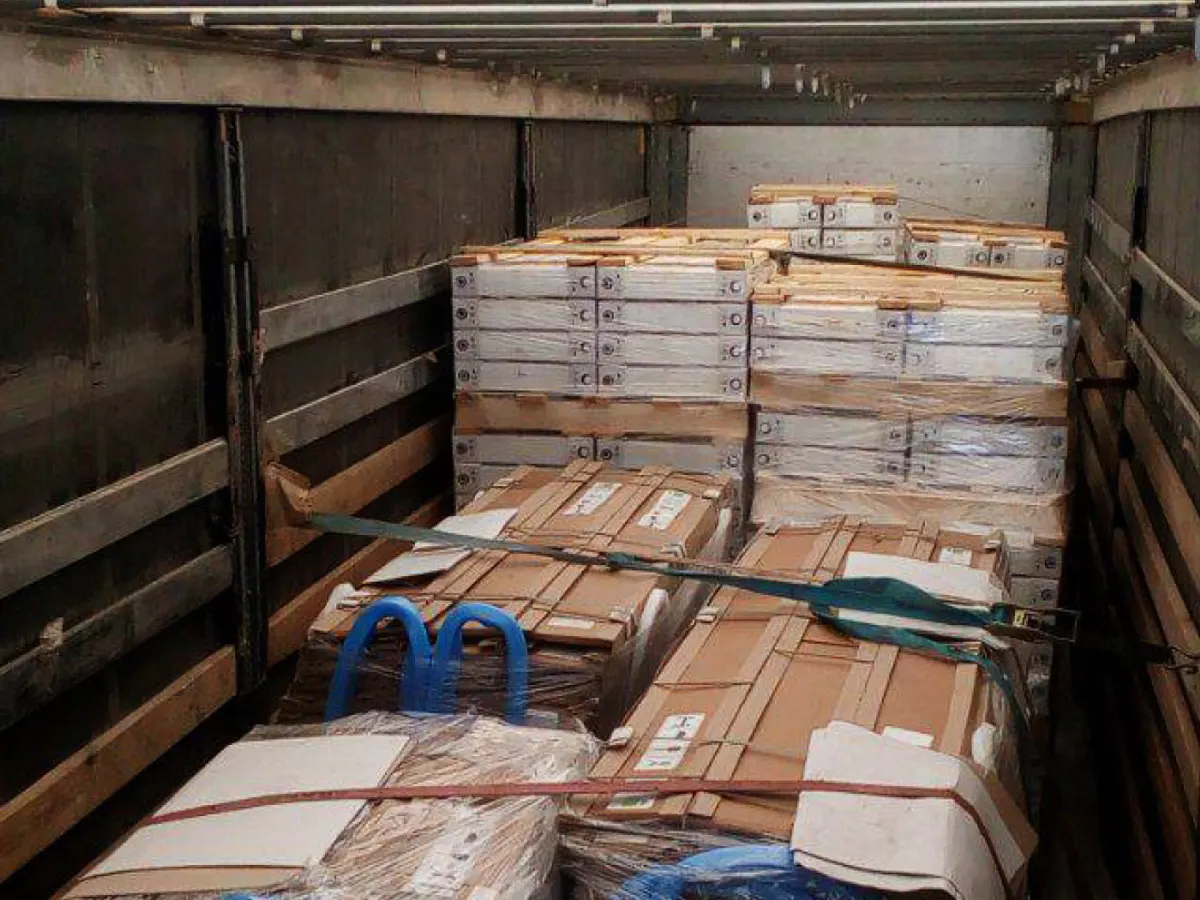
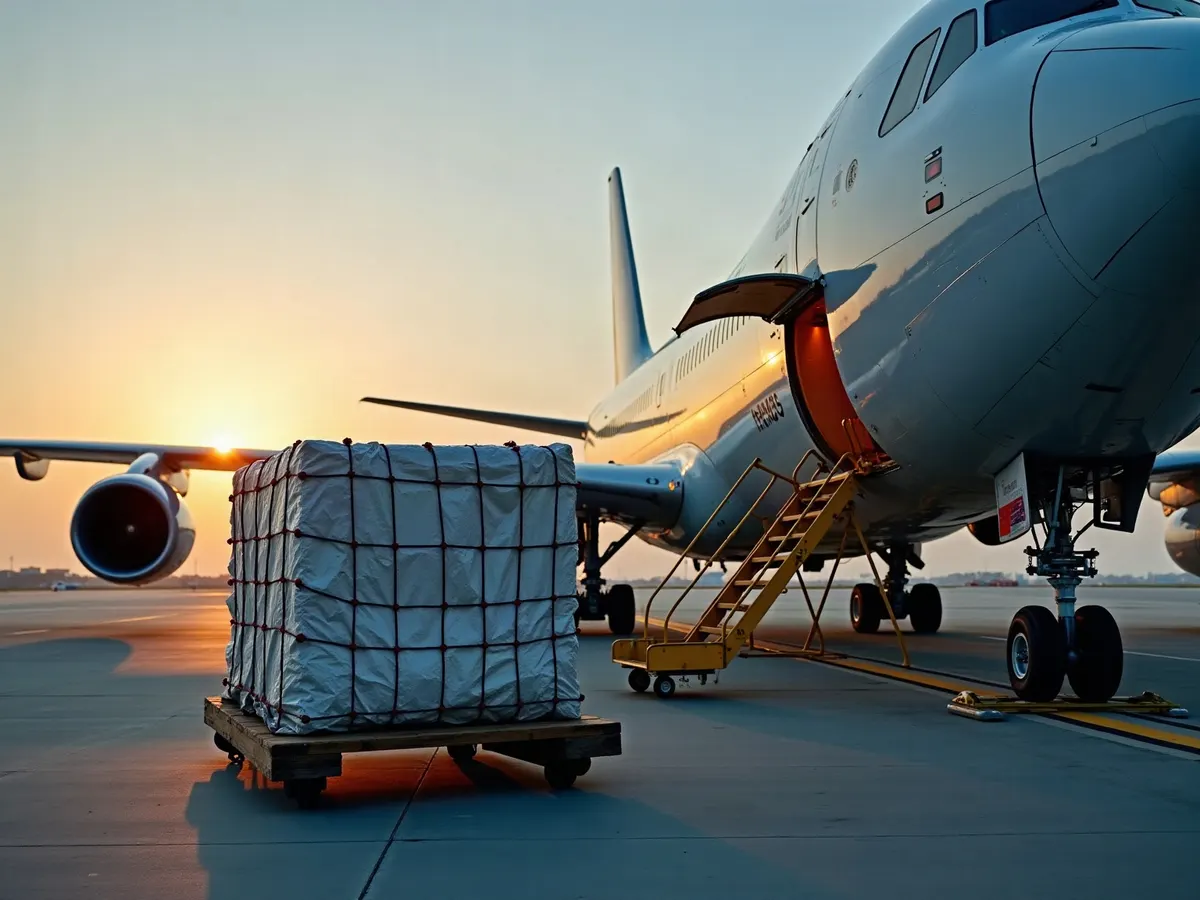
Real photos from our runs: how cargo travels and how it is secured.


- How the country of origin changes customs payments in Uzbekistan
- Customs reform 2026–2027: what gets cheaper and what does not
- Uzbekistan HS codes: import duty rates for 1852 positions
- Uzbekistan HS codes: food, raw materials and chemicals
- Uzbekistan HS codes: materials, textiles and metals
- Uzbekistan HS codes: machinery, vehicles and instruments
- Customs warehouses in Uzbekistan: a register of 441
- Customs posts of Uzbekistan: a classifier of 93
- Glossary: freight, customs and documents
- Which documents you need for customs clearance in Uzbekistan
- Certificate of conformity in Uzbekistan: when it is required
- How to find your HS code and avoid a reassessment
- VAT on international freight in Uzbekistan: zero-rated
Modes of transport
We match the mode to your cargo, deadline and budget — not the other way round.
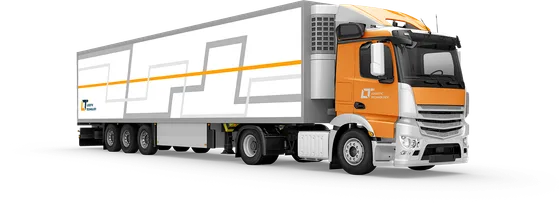
Road freight
When door-to-door timing and control along the route matter most
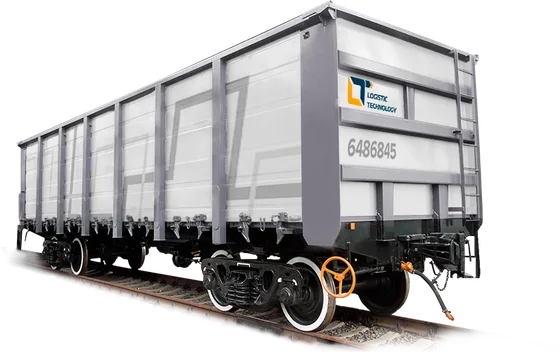
Rail freight
When volumes are large and cost outweighs speed

Air freight
When the cargo is urgent and freight cost is secondary
Sea and container freight
When the shipment is large and the route allows a long leg
- Air freight 3–7
- Road freight 7–20
- Rail freight 18–35
- Sea and container freight 30–50
This is an ordering, not a price list: the rate depends on volume, weight, route and season. We quote on your actual cargo.
Request a freight quote
Describe the cargo and the route — we come back with a rate and transit time.