


Dangerous goods (ADR)
Chemicals, paints, batteries and other classified cargo: carried with ADR approval and a complete document set.
Dangerous goods are defined by classification, not by the product name: each has a hazard class and a UN number, and everything else follows from them — packaging, labelling, equipment and paperwork. The same product from different manufacturers can fall into different classes, so a quote starts with the safety data sheet.
How we move it
- We establish the hazard class and UN number from the safety data sheet, not from the product name.
- We provide approved vehicles and drivers trained for dangerous goods.
- We check packaging and labelling: dangerous goods have their own packing requirements.
- We prepare paperwork by mode: ADR by road, IATA rules by air, IMDG by sea.
- We say upfront if the cargo cannot be moved: some classes no carrier accepts without special clearance.
What we need from you
- Safety data sheet (SDS or MSDS) from the manufacturer
- Hazard class, UN number and packing group
- Vehicle approval certificate for dangerous goods
- Driver training certificate and emergency instructions
What the price depends on
- Dimensions and weight
- The route and the restrictions on it
- Mode of transport
- Permits and approvals
- Urgency
- Insured value of the cargo
Modes of transport
We match the mode to your cargo, deadline and budget — not the other way round.
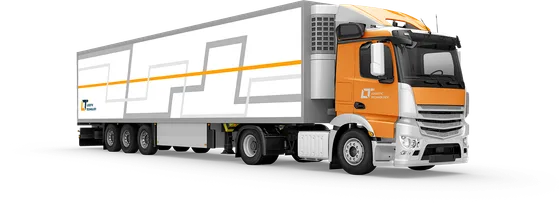
Road freight
When door-to-door timing and control along the route matter most
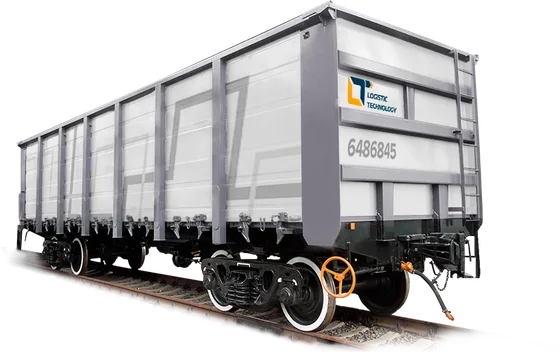
Rail freight
When volumes are large and cost outweighs speed
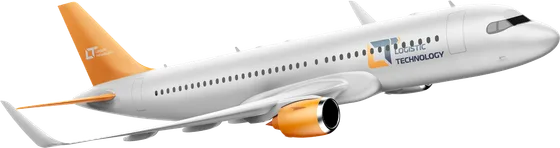
Air freight
When the cargo is urgent and freight cost is secondary
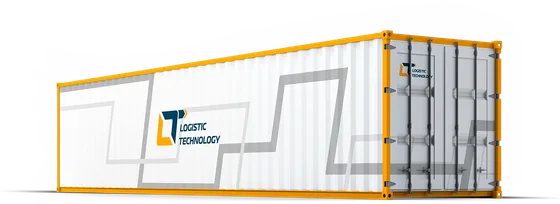
Sea and container freight
When the shipment is large and the route allows a long leg
- Air freight 3–7
- Road freight 7–20
- Rail freight 18–35
- Sea and container freight 30–50
This is an ordering, not a price list: the rate depends on volume, weight, route and season. We quote on your actual cargo.
Frequently asked questions
How do I know if my cargo is dangerous?
From the manufacturer’s safety data sheet: it states the hazard class and UN number. If there is no sheet, ask the supplier — without it no carrier will accept the cargo and customs will not release it.
Do you carry every class?
No. Some classes need special clearance, and we say so before loading rather than after. Send the safety data sheet and we will answer for your specific cargo.
Can dangerous goods go by air?
Some can, under IATA rules, but the restrictions are tighter than by road. Lithium batteries, for instance, need separate handling.
Can dangerous goods travel as groupage?
Not always: segregation rules prohibit loading certain classes next to one another. We check this before confirming the booking.
Request a freight quote
Describe the cargo and the route — we come back with a rate and transit time.