


Transit times
| Mode | Time | When it is chosen |
|---|---|---|
| Air | 3–7 days | Urgent, high-value, light: electronics, spare parts against downtime, samples |
| Road | 7–20 days | The default: sensible timing, door to door, from a single pallet |
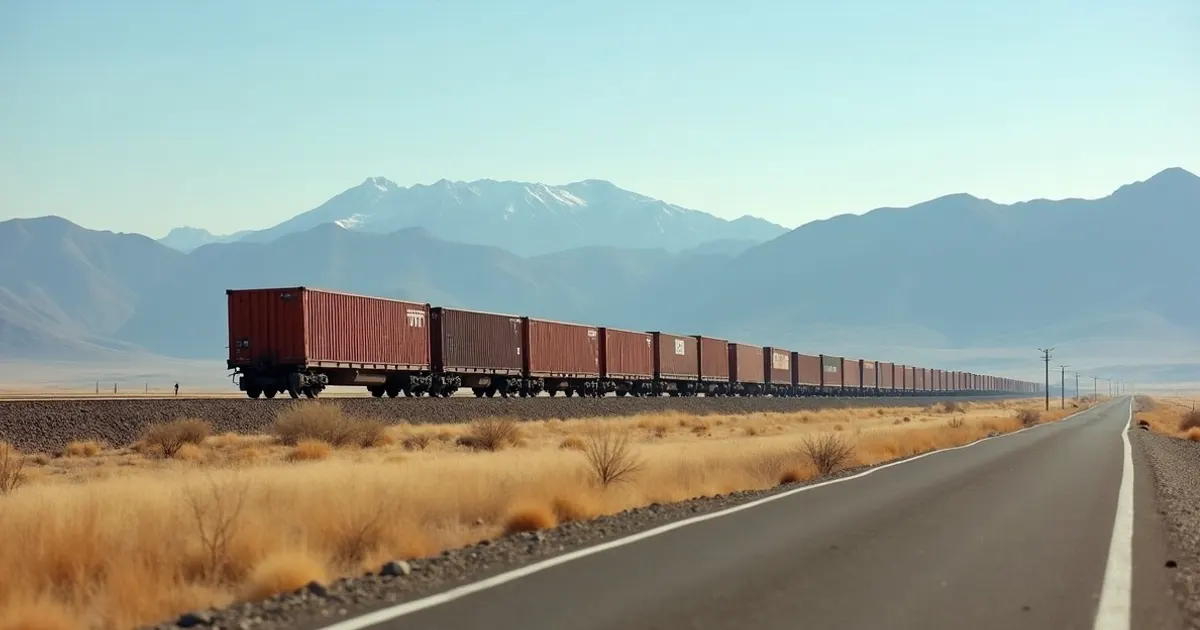
| Rail | 18–35 days | Large consignments where cost per tonne matters more than speed |
| Sea + road | 30–50 days | Bulky and heavy cargo where timing is not critical |
What makes up the transit time
Transit is not only time on the road. The real figure has four parts:
- Consolidation at the origin warehouse — 1 to 7 days. For groupage this is waiting for the truck to fill. For a dedicated truck it is zero.
- The leg to the border — the movement itself.
- Border crossing — hours to days, depending on congestion at the checkpoint and whether documents are ready.
- Customs clearance — up to three business days by the norm, excluding other agencies' control time.
When a carrier quotes “12 days”, they usually mean only the second item. Ask whether consolidation and clearance are included.
What usually breaks the schedule
Documents prepared “on arrival”. The most common cause. A veterinary or phytosanitary certificate is not issued within an hour, and meanwhile the cargo sits in temporary storage — at a cost.
Discrepancies in paperwork. Different weights on the invoice and packing list are grounds for examination, and examination adds days.
A dispute over customs value. If the inspector doubts the declared price, the cargo can stop. Conditional release helps: the goods are released against security while 60 days are given to gather evidence.
Chinese holidays. Chinese New Year halts shipments for nearly two weeks, and the market needs another week to clear the backlog. Plan late January and February with a buffer.
How to shorten transit without paying for air freight
The most underrated move is advance declaration. The declaration is filed before the cargo arrives, document checks happen while it is in transit, and it reaches the border with a decision already made. Plus a 20% discount on the clearance fee.
Second: obtain permits in advance rather than on arrival. Third: verify the HS code before shipping — if the code is arguable, an advance classification decision removes the risk of reclassification at the border.